

Supporting a child with autism also means supporting the people who care for them.
Caregiver education, support groups, and community connections can help improve understanding of the child's needs, build confidence, reduce isolation, and foster connections with others navigating similar experiences.
Caregiver Resources

Learn.
Explore autism conferences, workshops, webinars, and training events available throughout the United States and internationally.
Many conferences are designed specifically for parents and caregivers and cover topics such as:
Autism research and emerging therapies
IEPs and special education
Communication and speech development
Behavior supports
Sensory processing
Parent well-being
Advocacy and self-determination
Many events offer virtual attendance, recorded sessions, or on-demand libraries, making it easier than ever for families to learn from experts without leaving home.
Free Registered Behavior Technician Training
The 40-hour Registered Behavior Technician training is available free to the public through the Autism Partnership Foundation. Many caregivers do not pursue certification, but the training itself can help parents better understand behavior principles, reinforcement, communication supports, skill development, and data collection.
Explore Free Registered Behavior Technician Training →
Autism Society of North Carolina
The Autism Society of North Carolina offers educational resources, workshops, webinars, conferences, toolkits, advocacy information, and family support opportunities.
Visit Autism Society of North Carolina →
Tax Deductions for Autism Conferences
Some families may be able to deduct certain conference-related expenses when they are directly related to medical care or education for a dependent with a disability. Potentially eligible expenses may include:
Registration fees
Transportation
Lodging
Parking
Certain educational materials
However, tax rules are highly fact-specific and depend on individual circumstances. Before assuming an expense Is deductible:
✔ Save receipts
✔ Keep conference agendas and registration confirmations
✔ Document how the event relates to your child's care or support needs
✔ Consult a qualified tax professional regarding your specific situation
Connect.
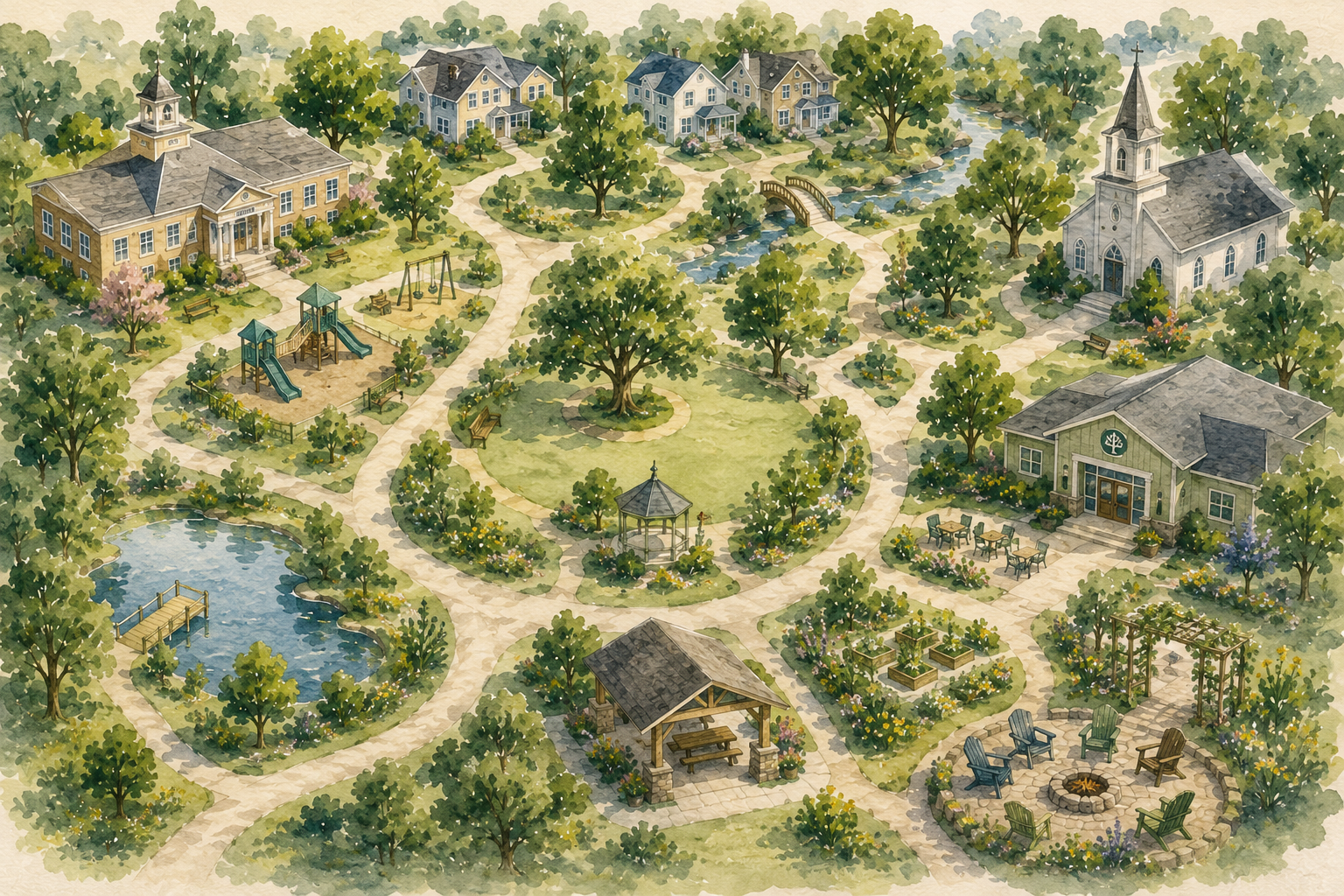
Build community through shared experiences.
One of the most unexpected benefits of autism-focused sports, recreation programs, camps, and community events is the opportunity to connect with other families.
Some of the most valuable conversations happen on the sidelines of a soccer game, while waiting for camp pickup, or at a sensory-friendly community event. These informal connections often lead to shared advice, local recommendations, friendships, and support networks that extend well beyond the activity itself. As children build confidence, friendships, and new skills, parents often find themselves building community as well.
Wake County offers a growing number of adaptive and inclusive recreation opportunities. Explore our Recreation & Social Opportunities page to discover programs, events, and activities that can help your child—and your family—build meaningful connections.
Collaborate.
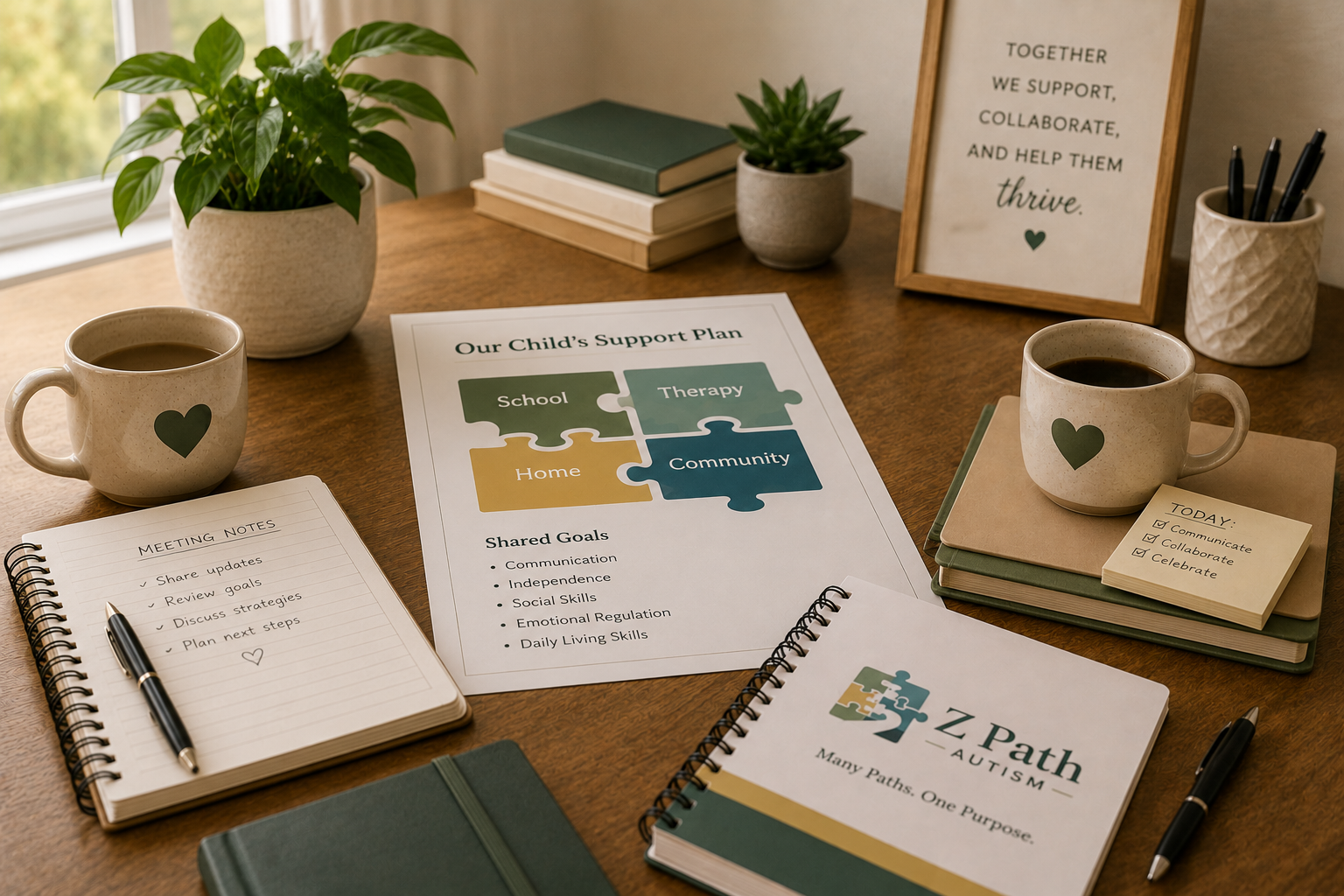
Strong outcomes rarely happen because of one person. Children often benefit most when parents, teachers, therapists, medical providers, and caregivers communicate regularly and work toward shared goals.
Participate actively in school meetings
Maintain regular communication with teachers
Share goals across providers
Partner with therapists
Build relationships with other families
Celebrate progress together with the people that helped your child succeed
Contribute.
Give back when you are ready.
Many families eventually reach a point where they want to strengthen the community that helped them. Whether through volunteering, donations, mentorship, church involvement, or community service, every contribution helps create opportunities for future families.
Visit the Community Building section for ways families can support schools, nonprofits, faith communities, recreation programs, and organizations serving children with disabilities.
Caregiver support is part of the pathway.
Receiving an autism diagnosis often comes with a flood of information, recommendations, appointments, acronyms, and decisions.
The good news is that you do not need to become an expert overnight. Across Wake County, North Carolina, and beyond, there are trainings, organizations, conferences, support groups, and parent communities designed to help families learn, connect, and grow alongside their children.
Next Step
After exploring caregiver resources, continue building your family’s community through inclusive activities, recreation programs, and local opportunities for connection.